Loading…
Serving Greenville, NC and surrounding areas. (252) 351-6010
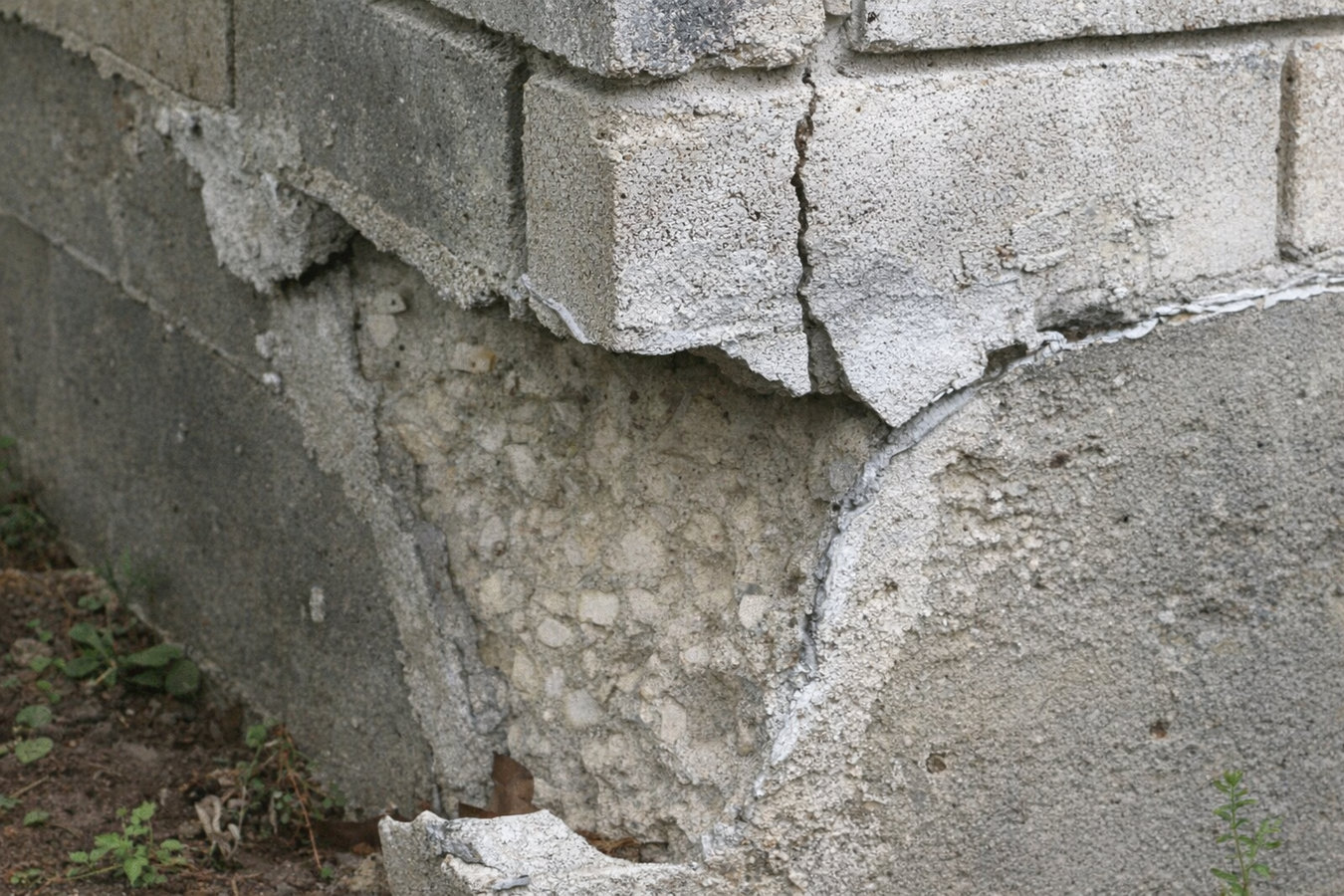
A sunken slab does not always mean starting over. We lift settled concrete back to level quickly and at a fraction of the replacement cost.
Foundation raising in Greenville, NC lifts a sunken or uneven concrete slab back to its original level by pumping material through small drilled holes beneath the surface - most residential jobs are completed in a single visit, often in just a few hours, and you can walk on the surface the same day.
Greenville homeowners call us after noticing that a patio, driveway, or garage floor has settled noticeably - often after a wet season or a tropical storm that saturated the clay soil underneath. The good news is that when the concrete itself is still in decent shape, lifting is almost always less expensive and less disruptive than tearing the slab out and starting over. If your project also involves structural concrete work below grade, our slab foundation building team handles full foundation pours alongside raising work.
Every job starts with a written estimate that explains what method we recommend and the full cost - no surprises on invoice day.
Stand at one end of your driveway, patio, or garage floor and look across the surface. If one section sits noticeably lower than the rest, or if water pools in the same spot every time it rains, the slab has likely sunk. In Greenville's clay-heavy soils, this kind of uneven settling tends to get worse over time if left alone.
If a gap has opened up between your porch slab and the house wall, or between your driveway and the garage apron, that is a clear sign the concrete has moved. The gap is not just cosmetic - water can get in and make the underlying soil problem worse, especially during Greenville's heavy rain seasons.
When a slab shifts, it can put pressure on the framing above it. If a door near your garage or porch has recently started sticking, dragging, or not latching properly, the slab movement may be the cause. This is worth investigating before the shift progresses.
A properly supported concrete slab should feel completely solid underfoot. If you notice any flex, bounce, or hollow sound when you walk across it, there is likely a void forming underneath. Catching it before the slab drops further is almost always less expensive than waiting.
We handle mudjacking and polyurethane foam injection for residential slabs throughout Greenville and eastern North Carolina. Both methods work by pumping material beneath the slab through small drilled holes - the difference is speed, weight, and cost. Mudjacking uses a cement-and-soil slurry and has been reliable for decades. Foam injection cures faster, adds almost no weight, and is a better fit for slabs near water lines where the extra load matters. We recommend the right method for your specific slab, soil condition, and budget after seeing the job in person.
Foundation raising is often one part of a bigger picture. Homeowners dealing with settled concrete frequently have drainage or grading issues that need to be corrected at the same time. We also work alongside our concrete cutting team when a section of damaged slab needs to be removed before a lift makes sense. If the slab is too far gone to raise, we can quote a full replacement as part of the same visit.
A proven, lower-cost method that pumps a cement-soil slurry beneath the slab - a good fit for driveways, sidewalks, and patios with moderate sinking.
Faster-curing, lightweight expanding foam that suits homeowners who need to use the surface the same day or have sensitive soil beneath the slab.
Pumping material into voids beneath a slab that has not yet dropped - catching the problem before the concrete falls further.
Grading and drainage improvements around the raised slab to address the water issue that caused the sinking in the first place.
Greenville sits in eastern North Carolina's coastal plain, where soils are heavy with clay and fine-grained sediment. Clay swells when wet and shrinks when dry - that repeated seasonal movement is one of the most common reasons slabs sink or tilt here. On top of that, Greenville averages around 52 inches of rain per year and sits in the path of Atlantic tropical storms. Heavy, concentrated rainfall can wash away the material supporting a slab in a single storm event. After hurricanes like Florence and Matthew, slab settling was reported all across Pitt County. Homeowners in Kinston and New Bern face the same soil and storm conditions and have called us for the same reason.
Many of Greenville's established neighborhoods - including areas near East Carolina University and older subdivisions built in the 1960s through 1980s - sit on fill soil that has had decades to settle unevenly. Slabs poured on fill that was never properly compacted are especially prone to sinking as that fill continues to compress. If your home is more than 30 years old and you have noticed any settling, it is worth having an assessment before the next wet season makes it worse. The Foundation Repair Association sets the professional standards for this type of work, and we follow their guidelines on every job.
We will ask a few basic questions - what kind of slab it is, how much it has sunk, and whether you have noticed drainage issues nearby. We reply within one business day and can usually schedule an on-site visit within a few days.
We walk the slab with you, check the extent of the sinking and the condition of the concrete, and confirm whether raising is the right solution. You will get a written estimate before we schedule any work - no vague verbal quotes.
The crew drills small holes at measured intervals, pumps material underneath until the slab rises back to level, then patches the holes. Most residential slabs are lifted and patched in a few hours. You can usually walk on the surface the same day.
We walk the finished area with you, confirm the slab is level, and tell you when it is safe to drive on. We also explain what drainage improvements will help protect the work through Greenville's next storm season.
We will assess the slab, explain what we find, and give you a written quote - no obligation, no pressure.
(252) 351-6010We assess the cause of the sinking before we start - not just lift the slab and leave. In Greenville's clay soils, the underlying issue is almost always something identifiable. We explain what we found and what you can do to prevent a repeat.
North Carolina requires a valid license from the NC Licensing Board for General Contractors for this type of work. We are licensed and can be verified through the state's online lookup. Hiring unlicensed contractors in Pitt County leaves you with no recourse if something goes wrong.
We have worked on slabs throughout Greenville and surrounding eastern NC communities, including properties that took on storm-related settling after Florence and Matthew. That local experience changes how we approach every assessment - the clay behavior here is specific, and we know what to look for.
Your written estimate covers the method, the number of holes, and the total cost before any crew shows up. The number on your invoice matches the number you agreed to. The{' '} American Concrete Institute sets the standards we follow on every pour and lift.
Foundation raising done right means addressing what caused the slab to sink - not just filling the void and hoping it holds. Greenville's soil and rainfall make the underlying cause almost always something we can identify and help you manage going forward.
When a section of slab is too damaged to raise, our cutting team removes it cleanly so the base can be rebuilt before a new pour.
Learn moreFull concrete slab pours for new construction or complete replacements when raising is no longer the right answer.
Learn moreGreenville's heavy rainfall makes a settled slab worse every season you wait. Call us today for a free written estimate.
We serve Greenville and surrounding communities throughout eastern North Carolina.