Loading…
Serving Greenville, NC and surrounding areas. (252) 351-6010
Precision Greenville Concrete serves Raleigh homeowners with stamped concrete, driveways, patios, and foundation work across Wake County - permits pulled on every job, written estimates before any work starts, and a response within one business day.
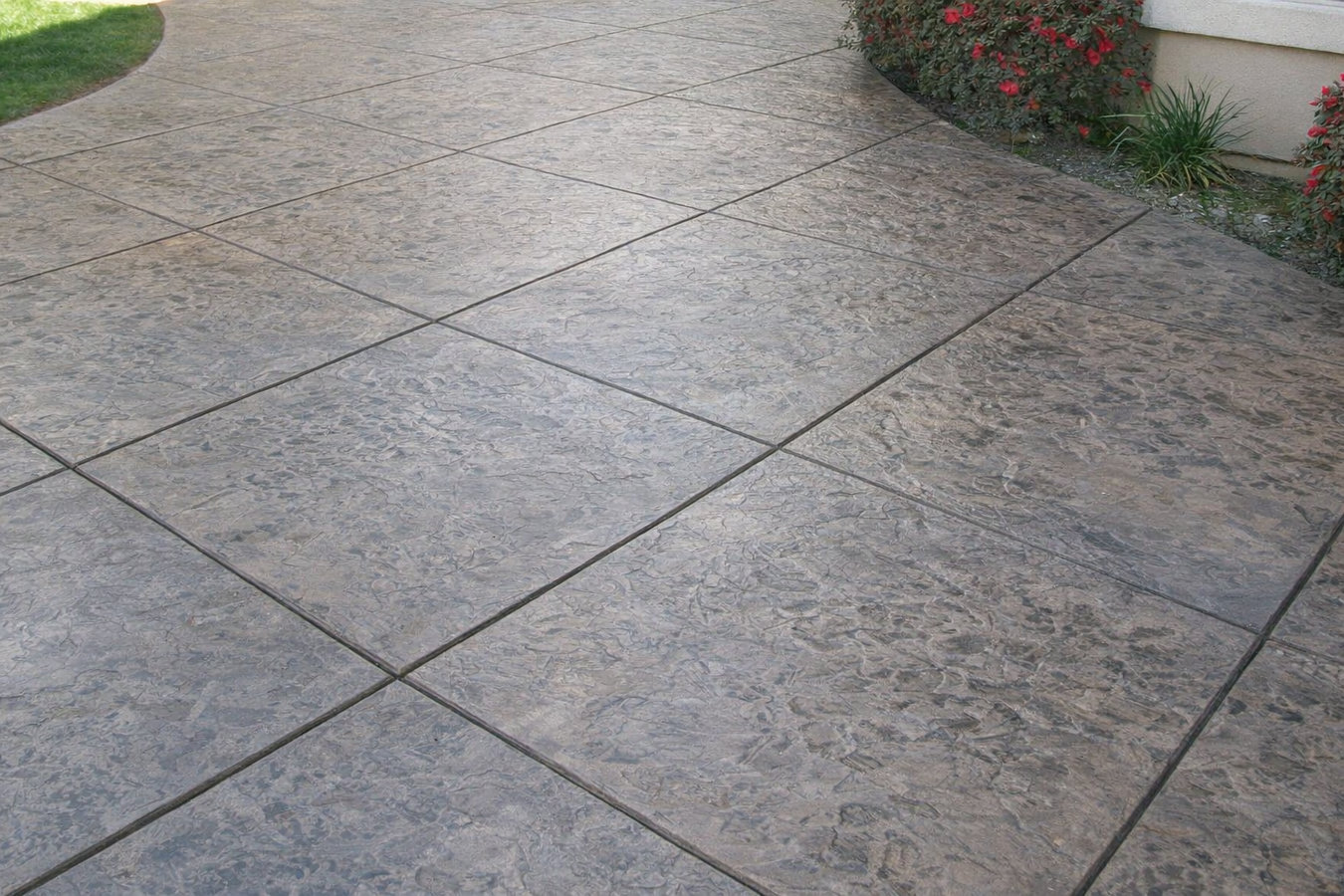
Raleigh homeowners have invested heavily in their properties as home values have climbed, and a plain gray patio or driveway can look out of place against an updated exterior or a landscaped yard. Stamped concrete lets you get the look of brick, slate, or natural stone at a fraction of the cost - and our team schedules pours for early morning during summer to protect the pattern in Raleigh's heat. Learn more about our stamped concrete services and the pattern and color options available.
Raleigh's clay-heavy Wake County soil expands when wet and shrinks when dry - that seasonal movement is the main reason driveways crack here faster than homeowners expect. Homes built in the 1970s through 1990s that cover much of mid-Raleigh are now at the age where original driveways are failing. We build every driveway with a compacted gravel base that stabilizes the clay beneath and a drainage slope that moves water away from the garage and foundation.
Raleigh's warm season runs long and outdoor living spaces are a real selling point in this market. Homeowners in neighborhoods like Five Points, Cameron Village, and North Hills are replacing aging wood decks and cracked concrete patios with surfaces that handle the summer heat and the occasional winter freeze without needing constant maintenance. A properly built concrete patio in Raleigh should last 25 years with basic sealing maintenance.
Wake County's clay soil and Raleigh's summer thunderstorms are a reliable combination for erosion on any property with a slope. North Raleigh neighborhoods built on rolling terrain often have rear yards that drain toward neighboring lots or into drainage easements - retaining walls stop that erosion and create usable flat space. We design walls with drainage built in from the start so water has somewhere to go behind the wall.
New construction and additions are active across Raleigh as the city continues to grow, and every new structure needs a properly engineered foundation. Clay soil in Wake County requires a compacted gravel base and reinforcement designed for seasonal movement - details that matter most on lots where trees have been removed and the soil has been disturbed. We handle the permit process with Wake County and the City of Raleigh from start to finish.
Raleigh's older in-town neighborhoods - Oakwood, Boylan Heights, Mordecai - have mature tree canopies that are as much a liability as an asset when it comes to sidewalks. Root growth pushes panels up over time, creating trip hazards that property owners are responsible for repairing. We remove and replace damaged sections to City of Raleigh right-of-way standards, with proper root management to slow the return of the problem.
Raleigh is one of the fastest-growing cities in the country, and that growth has brought a wide range of construction quality. Newer subdivisions in North Raleigh and Brier Creek often had their topsoil stripped and the remaining clay compacted during construction, which means the soil underneath is still shifting and settling years after the home was built. That movement is the primary reason driveways and patios crack in this city within a few years of installation - and it is entirely preventable with proper base preparation. A contractor who skips the gravel base or rushes the compaction step on Wake County clay is setting up a surface for early failure, regardless of how good the concrete itself is.
Raleigh also sits squarely in the zone where winter freeze-thaw cycles are a real but often underestimated issue. Temperatures drop below freezing multiple nights per year from December through February - and water that penetrates an unsealed or poorly sealed concrete surface will expand when it freezes, causing surface flaking and cracks that let in more water, making the problem worse each season. The city's warm, humid summers compound this by speeding up surface drying during pours, which requires careful timing and pour management that contractors without local experience often get wrong. As home values in Raleigh have climbed, homeowners are also more willing to invest in finishes like stamped concrete, decorative patterns, and colored surfaces that demand even more precision in pour timing and base preparation.
Concrete work in Raleigh means working through the City of Raleigh Development Services permit process for residential and commercial flatwork - a process we navigate on a regular basis for driveway, patio, foundation, and sidewalk projects. The City of Raleigh requires right-of-way inspections for any work near a public street, and we manage all of that coordination so you do not have to deal with the scheduling yourself.
Raleigh covers a wide geographic area with very different housing stock from one neighborhood to the next. The older brick ranch homes near Pullen Park and the historic homes in Oakwood present different challenges than the newer two-story colonials in Wakefield Plantation or Brier Creek. In older neighborhoods, root systems, aged clay-filled sub-bases, and original drainage grades all need to be evaluated before any new pour. In newer subdivisions, stripped-clay lots from construction often need significant base rebuilding to avoid repeating the original contractor's shortcuts.
We serve homeowners throughout the Research Triangle, including in nearby Durham, where the same clay soil conditions and freeze-thaw patterns apply. The specific neighborhoods change but the underlying approach - site-specific base preparation, proper drainage slope, and concrete mixed and poured for the local climate - stays the same across the region.
Contact us by phone or through our online form and we will respond within one business day. We ask a few questions about your project - type of work, approximate size, whether you have design preferences - before scheduling a free site visit at a time that works for you.
We visit your property, assess the soil and drainage conditions, and discuss your options. You receive a written estimate with a clear breakdown of scope, materials, permit, and total cost - so there are no surprise line items when the invoice arrives. This is also where we talk through cost and what factors affect the final number.
Before any crew arrives, we pull the required permit from the City of Raleigh or Wake County depending on your location. Permit processing typically takes a few business days. We handle all paperwork, then confirm your start date and give you a realistic project timeline.
We handle base preparation, the pour, finishing, and sealer application. After the concrete cures - vehicles off the new surface for seven days - we walk through the completed project with you before closing out the job. The site is left clean and any excess material is removed.
We serve homeowners across Raleigh and Wake County. Call or submit a request and we will respond within one business day with a free, written estimate - no pressure, no obligation.
(252) 351-6010Raleigh is the state capital of North Carolina and one of the fastest-growing large cities in the United States, with a population that has grown to over 467,000 in recent years. The city anchors the Research Triangle along with Durham and Chapel Hill, and its economy is driven by state government, major healthcare systems, and a dense cluster of technology and biotech companies. That stable, high-income employment base has pushed home values well above the statewide average and created a large population of long-term homeowners who invest in maintaining and improving their properties. NC State University anchors the western edge of downtown and shapes the character of surrounding neighborhoods like Hillsborough Street and Five Points, which are dense with older homes that need regular concrete maintenance.
The city's housing stock spans more than a century of construction, from the pre-Civil War homes in the Oakwood Historic District to the subdivisions of the 2010s in Wake Forest and Morrisville. That range means the concrete work varies enormously - an 1890s pier-and-beam foundation in Boylan Heights has nothing in common with a 2008 slab in Brier Creek, and the right approach depends entirely on the specific property. Nearby Durham shares much of Raleigh's clay soil profile and housing age distribution, and we serve both cities with the same site-specific approach.
Durable concrete driveways designed and poured to last for decades.
Learn moreCustom concrete patios that extend your outdoor living space beautifully.
Learn moreDecorative stamped concrete that mimics stone, brick, or custom patterns.
Learn moreSafe, code-compliant concrete sidewalks for residential and commercial properties.
Learn moreSmooth, sealed garage floor concrete built to handle heavy use and vehicles.
Learn moreArtistic concrete finishes that combine durability with striking visual appeal.
Learn moreStructurally sound retaining walls that control erosion and shape your landscape.
Learn moreLevel, polished concrete floors for homes, warehouses, and commercial spaces.
Learn moreSlip-resistant, heat-resistant concrete pool decks built for safety and style.
Learn moreSolid concrete steps and stoops crafted for curb appeal and daily use.
Learn moreEngineered concrete slab foundations that provide a stable base for any structure.
Learn moreFull foundation installation services for new construction and replacement projects.
Learn moreHeavy-duty concrete parking lots engineered for high-traffic commercial use.
Learn morePrecisely formed concrete footings that support decks, additions, and structures.
Learn moreFoundation raising and leveling to correct settling and restore structural integrity.
Learn morePrecise concrete cutting for repairs, expansions, and utility access.
Learn moreSpring is Raleigh's busiest season for concrete work - reach out now to lock in your project before the schedule fills and the summer heat makes timing harder.